Kenya – Country Travel Information
⚡ Electricity
- Voltage: 240V, 50Hz
- Plug types: Type G (British 3-pin) is standard.
- Universal adapters are recommended for international travelers.
💳 Banking
- Currency: Kenyan Shilling (KES)
- ATMs: Common in cities, towns, and airports.
- Credit cards (Visa, MasterCard) accepted in hotels, lodges, and larger shops; cash is preferred in rural areas.
- Mobile money (M-Pesa) is widely used for payments.
🍲 Cuisine
- Staple foods: Ugali (maize meal), sukuma wiki (greens), nyama choma (grilled meat).
- Coastal cuisine includes Swahili dishes with coconut and spices.
- Fresh tropical fruits are abundant.
- Tea and coffee culture is strong, Kenya being a major producer.
☀️ Climate
- Equatorial but varied due to altitude:
- Nairobi & Highlands: Mild climate year-round.
- Coastal areas (Mombasa, Diani): Hot and humid.
- Northern Kenya: Hot and arid.
- Rainy seasons: Long rains (Mar–May), short rains (Oct–Dec).
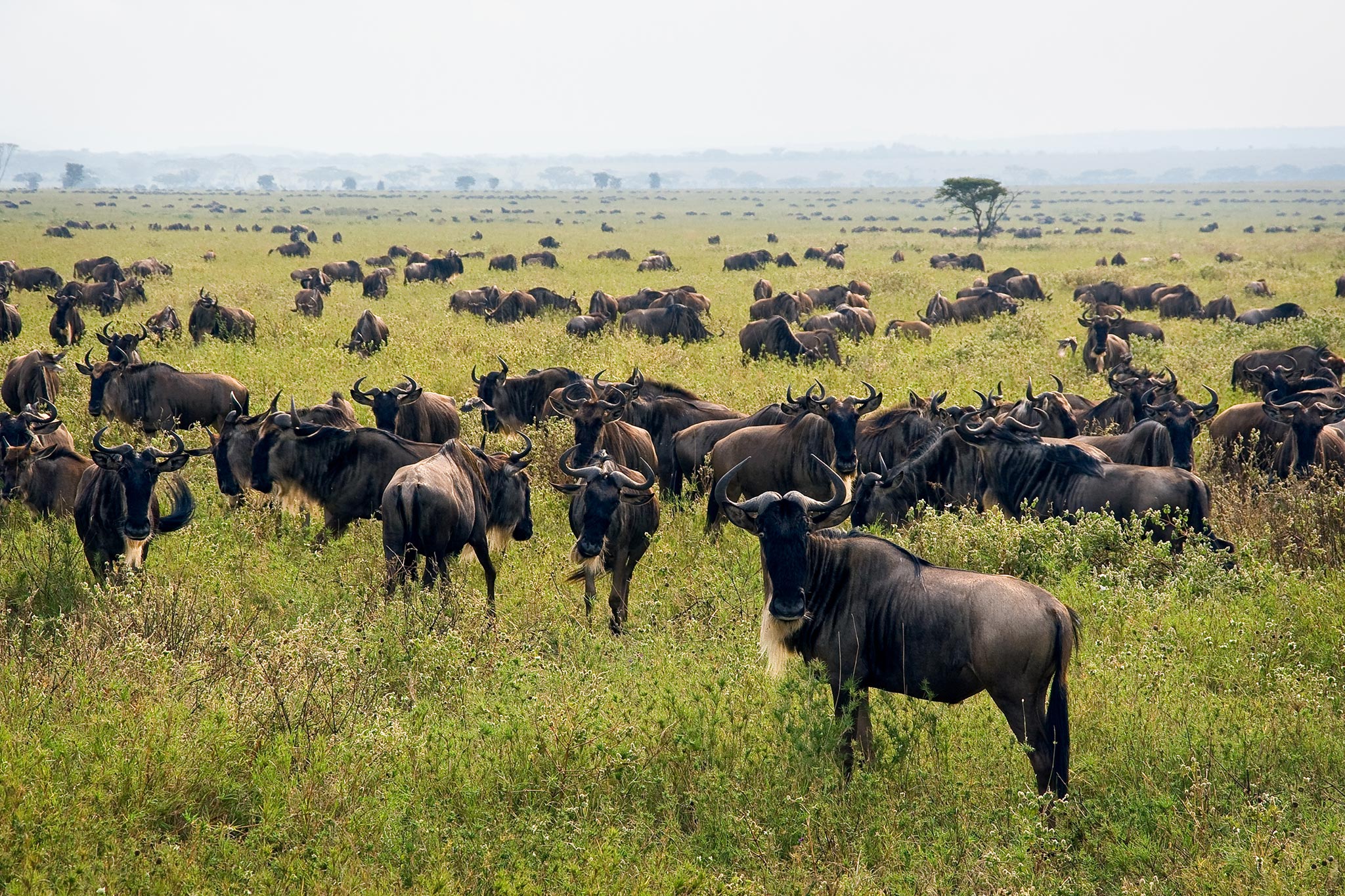
- Best time to visit: Dry season (Jun–Oct, Jan–Feb), also coinciding with the Great Migration (Jul–Sep in Maasai Mara).
🚍 Transport
- Domestic flights link Nairobi, Mombasa, Kisumu, and safari destinations.
- Matatus (shared minibuses) are common but often unsafe.
- Taxis and ride-hailing apps like Uber, Bolt, Little Cab available in cities.
- SGR railway connects Nairobi to Mombasa (popular and safe).
- Self-driving is possible but challenging; most safari visitors opt for guided tours.
👕 Dress
- Light, breathable clothing for daytime.
- Warm jacket/sweater for evenings and safaris (cool mornings and nights).
- Safari wear: Neutral tones (beige, khaki, olive) to blend with the environment.
- At the coast: Light clothes, but dress modestly in towns and villages due to local Muslim culture.
🏥 Health
- Yellow fever vaccination is required for travelers from or transiting through endemic countries.
- Malaria risk is present across most of the country (except Nairobi & highlands) – prophylaxis recommended.
- Other suggested vaccines: Typhoid, Hepatitis A & B.
- Drink bottled or boiled water; avoid tap water.
- Private hospitals and clinics in Nairobi & Mombasa are good; rural healthcare is limited.
🛡️ Safety
- Petty crime (pickpocketing, bag snatching) in Nairobi, Mombasa, and crowded areas.
- Avoid walking alone at night in cities.
- Terrorism risks exist; avoid border areas near Somalia.
- Safari destinations and national parks are generally safe with guides.
🛂 Visa
- Most travelers require an eVisa, applied for online in advance.
- Some nationalities are exempt (mainly East African Community).
- Passport must be valid for at least 6 months with 2+ blank pages.
- East Africa Tourist Visa available (valid for Kenya, Uganda, Rwanda).
ℹ️ General
Popular attractions: Maasai Mara, Amboseli, Tsavo, Lake Naivasha, Lake Nakuru, Nairobi National Park, Diani Beach, Lamu Island, Mount Kenya.
Official languages: English & Swahili.
Time zone: GMT+3 (no daylight savings).
Driving: Left-hand side of the road.
Tipping: 5–10% in restaurants; safari guides/drivers usually expect tips.