

No story available for this trip yet.
Pretoria City Tour
Duration
1 days / 1 nights
Group Size
2-2 travelers
Loading...
1 / 6
Overview
Start Early:
Begin your day promptly to make the most of each stop. Pretoria's attractions can be busy, and starting early helps you avoid crowds.
Dress Comfortably:
Wear comfortable walking shoes and light, breathable clothing. Pretoria's weather can be warm, especially when exploring outdoor sites like the Union Buildings gardens and the Botanical Garden.
Stay Hydrated:
Carry a water bottle to stay hydrated throughout the day. It's easy to get dehydrated when you're walking and exploring in the sun.
Sun Protection:
Apply sunscreen, wear a hat, and bring sunglasses. Pretoria's sunny climate can lead to sunburn if you're not protected.
Camera Ready:
Bring a good camera or ensure your smartphone is charged for capturing the scenic views, historic landmarks, and lush gardens.
Cash and Cards:
While many places accept credit cards, it's handy to carry some cash for smaller purchases or tips.
Lunch Reservations:
If you have a specific local restaurant in mind, consider making a reservation to ensure you get a table, especially during peak lunch hours.
Engage with Your Guide:
Ask questions and engage with your guide to gain deeper insights into Pretoria's history and culture. Guides often have fascinating stories and additional knowledge not found in guidebooks.
Pace Yourself:
Don’t rush through the attractions. Take your time to fully appreciate each site. The itinerary is designed to be comprehensive yet relaxed.
Weather Check:
Check the weather forecast the day before your tour. If rain is expected, bring an umbrella or raincoat.
Health and Safety:
Follow any local health guidelines, especially if there are any advisories related to COVID-19 or other health concerns.
Museum Etiquette:
Respect the rules of each museum. Some may have restrictions on photography or areas that are off-limits to the public.
Local Cuisine:
Don’t shy away from trying local dishes during lunch. South African cuisine is diverse and flavourful, offering a unique taste of the region.
Keep a Timetable:
Keep track of time at each location to ensure you stay on schedule. Your guide will help, but it's good to be mindful of the itinerary.
Comfort Breaks:
Use restrooms whenever available at the attractions. Some locations may have limited facilities, so it's wise to take advantage of them when you can.
As the sun peeks over the horizon, casting its golden hues across the cityscape, Pretoria awakens with a gentle hum. The crisp morning air carries the scent of freshly brewed coffee, intermingled with the sweet fragrance of blooming jacaranda trees that line the streets, painting the skyline in a vibrant purple haze. Stepping onto the bustling streets, the rhythmic chatter of vendors selling their wares fills the air, punctuated by the occasional honk of a taxi as it weaves through the labyrinthine roads. The distant sound of church bells adds a melodic touch to the urban symphony, while the warm rays of sunlight kiss the skin, promising a day of adventure and discovery. With each step, the rich tapestry of Pretoria unfolds before you, a sensory feast for the curious traveler.
Itinerary
Loading...
1 / 1
Included
Location
Map location not available
Important Info
Essential information you need to know before booking this trip
Age Requirements
Minimum Age:
0
Maximum Age:
99 years
Downloads
No downloads available for this trip.
FAQ
1. What are the Union Buildings?
- The Union Buildings are an iconic architectural masterpiece located in Pretoria, South Africa. They serve as the official seat of the South African government and house the offices of the President of South Africa.
- The Union Buildings were designed by Sir Herbert Baker, a renowned British architect known for his work in South Africa during the early 20th century. The construction of the buildings began in 1909 and was completed in 1913.
- The Union Buildings hold great historical significance as they symbolize the unity of South Africa. They were constructed to house the administrative offices of the newly formed Union of South Africa, which was established in 1910 following the unification of several British colonies and Boer republics.
- Yes, visitors are allowed to tour certain areas of the Union Buildings. While the administrative offices are restricted, guided tours are available for the public to explore the beautiful terraced gardens, sculptures, and other outdoor areas surrounding the buildings.
- One of the most notable features of the Union Buildings is the impressive statue of Nelson Mandela, which was unveiled in 2013 to commemorate the centenary of the buildings. The statue overlooks the city of Pretoria and serves as a tribute to Mandela's role in the country's history.
- While certain areas are accessible to the public, such as the gardens and outdoor spaces, access to the interior of the Union Buildings is generally restricted to government officials and authorized personnel. However, special events and functions may occasionally allow public access to certain areas.
- Generally, there are no admission fees to visit the Union Buildings or its surrounding areas. However, fees may apply for guided tours or special events hosted at the site. It's advisable to check ahead of time for any specific requirements or fees associated with visiting.
- Yes, the Union Buildings can be rented for private events, subject to approval and availability. Organizations or individuals interested in hosting events at the Union Buildings should contact the relevant authorities for more information on booking procedures, fees, and regulations.
- Yes, there are parking facilities available for visitors at the Union Buildings. However, parking may be limited during peak times or special events. It's recommended to arrive early or consider alternative transportation options when planning a visit.
- Yes, there are several attractions in close proximity to the Union Buildings that visitors may want to explore, including the Voortrekker Monument, the National Zoological Gardens, and Freedom Park. Additionally, the city of Pretoria offers a variety of museums, parks, and cultural sites worth visiting.
1. What is the Voortrekker Monument? The Voortrekker Monument is a large granite structure located in Pretoria, South Africa. It was built to commemorate the Voortrekkers, pioneers who migrated from the Cape Colony into the interior of South Africa during the 1830s and 1840s.
2. When was the Voortrekker Monument built? Construction began in 1937 and was completed in 1949. The monument was officially inaugurated on December 16, 1949, which is celebrated as the Day of Reconciliation in South Africa.
3. Why was the Voortrekker Monument built? The monument was built to honor the Voortrekkers and commemorate their role in South African history. It also serves as a symbol of Afrikaner nationalism and identity.
4. Who designed the Voortrekker Monument? The architect Gerard Moerdijk designed the Voortrekker Monument. His design was chosen through a national competition held in 1931.
5. What is the significance of the Voortrekker Monument? The monument symbolizes the Afrikaner struggle for independence and freedom. It is also a site of remembrance for those who lost their lives during the Great Trek, a pivotal event in South African history.
6. How tall is the Voortrekker Monument? The Voortrekker Monument stands at a height of 40 meters (about 131 feet) and has a base diameter of 40 meters (131 feet) as well.
7. What is inside the Voortrekker Monument? The monument houses a historical museum that showcases artifacts and exhibits related to the Voortrekkers and the Great Trek. There's also a cenotaph inside the main hall, which pays tribute to those who died during the trek.
8. Can visitors go inside the Voortrekker Monument? Yes, visitors can enter the monument and explore its museum, as well as climb to the top for a panoramic view of Pretoria and its surroundings.
9. Is the Voortrekker Monument open to the public? Yes, the Voortrekker Monument is open to the public for visitation. It operates throughout the week, with guided tours available for those who want a deeper understanding of its history and significance.
10. Where is the Voortrekker Monument located? The monument is situated on Monument Hill in the Pretoria suburb of Groenkloof. It is easily accessible by car and public transportation.
1. What is Freedom Park? Freedom Park is a cultural institution and heritage site located in Pretoria, South Africa. It was established to commemorate South Africa's history, celebrate its diverse cultures, and promote reconciliation and national unity.
2. When was Freedom Park established? Freedom Park was officially opened on December 16, 2007, coinciding with the Day of Reconciliation in South Africa.
3. What is the significance of Freedom Park? Freedom Park serves as a symbol of the country's journey from colonialism and apartheid to democracy and freedom. It honors those who sacrificed their lives for justice and equality and promotes healing and reconciliation among South Africans.
4. What are the main features of Freedom Park? The park consists of several components, including the Wall of Names, Isivivane, the Garden of Remembrance, the Eternal Flame, and the Gallery of Leaders. Each component has its own significance and contributes to the overall narrative of South Africa's history.
5. What is the Wall of Names? The Wall of Names is a central feature of Freedom Park, inscribed with the names of those who died in various conflicts and struggles throughout South Africa's history. It serves as a memorial to honor their memory and sacrifice.
6. What is Isivivane? Isivivane is a symbolic burial ground within Freedom Park where soil from significant sites across South Africa and beyond is buried. It represents the coming together of different communities and the healing of past wounds.
7. Can visitors explore Freedom Park? Yes, Freedom Park is open to the public for exploration. Visitors can take guided tours of the park, visit its various monuments and exhibitions, and participate in educational programs and events.
8. Is there an entrance fee for Freedom Park? Yes, there is an entrance fee for Freedom Park, although fees may vary for different categories of visitors, such as adults, children, students, and seniors. There are also discounts available for group bookings.
9. Where is Freedom Park located? Freedom Park is situated on Salvokop Hill in Pretoria, South Africa. It offers panoramic views of the city and is easily accessible by car and public transportation.
10. What are the operating hours of Freedom Park? Freedom Park is typically open to visitors from Tuesday to Sunday, with varying hours depending on the season. It is advisable to check the official website or contact the park directly for the most up-to-date information on operating hours and any special events or closures.
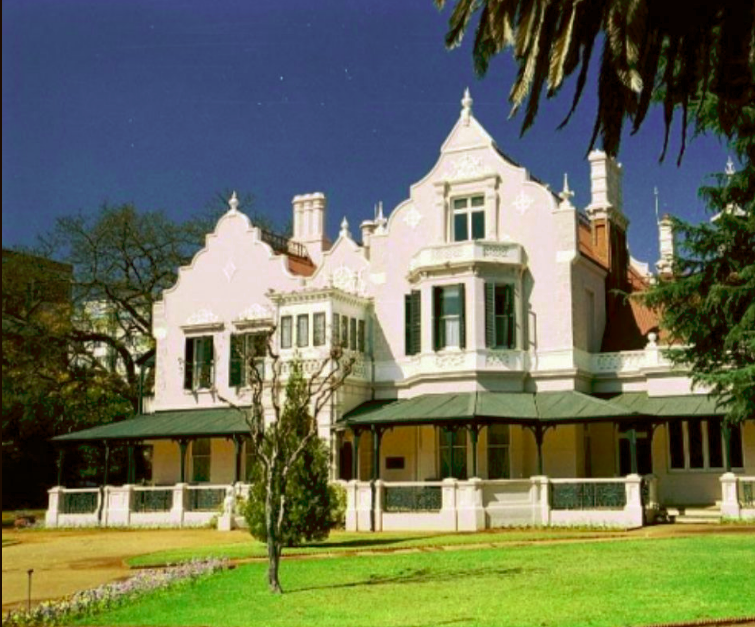
1. What is Melrose House Museum? Melrose House Museum is a historic house located in Pretoria, South Africa. It is renowned for its Victorian architecture and serves as a museum showcasing the lifestyle and culture of the late 19th and early 20th centuries.
2. When was Melrose House Museum built? Melrose House was built between 1884 and 1886 by the prominent Pretoria businessman George Jesse Heys. It was designed by the architect William Leck.
3. Why is Melrose House Museum significant? Melrose House is significant for its historical importance. It served as the site for the signing of the Treaty of Vereeniging on May 31, 1902, which ended the Second Anglo-Boer War, marking the formal establishment of the Union of South Africa.
4. What can visitors expect to see at Melrose House Museum? Visitors to Melrose House Museum can explore its well-preserved Victorian interiors, including period furniture, decor, and artifacts. The museum offers guided tours that provide insights into the history of the house and its role in the Anglo-Boer War.
5. What are the main attractions within Melrose House Museum? Some of the notable attractions within Melrose House Museum include the elegant tea room, the ornate stained glass windows, the historical photographs and documents on display, and the tranquil gardens surrounding the house.
6. Are there any special events or exhibitions held at Melrose House Museum? Melrose House Museum occasionally hosts special events, exhibitions, and cultural performances. These events may include historical reenactments, art exhibitions, and educational programs for visitors of all ages.
7. Is there an entrance fee to visit Melrose House Museum? Yes, there is an entrance fee to visit Melrose House Museum. Fees may vary for adults, children, students, and seniors, and discounts may be available for group bookings or special circumstances.
8. What are the operating hours of Melrose House Museum? Melrose House Museum is typically open to visitors from Tuesday to Sunday, with varying hours depending on the season and any special events or holidays. It is recommended to check the official website or contact the museum directly for the most up-to-date information on operating hours.
9. Can visitors take guided tours of Melrose House Museum? Yes, guided tours of Melrose House Museum are available for visitors who wish to learn more about its history and significance. Knowledgeable guides provide insights into the architecture, furnishings, and historical events associated with the house.
10. Where is Melrose House Museum located? Melrose House Museum is located at 275 Jacob Maré Street in Pretoria, South Africa. It is situated within easy walking distance of other attractions in the city center and is accessible by car and public transportation
1. Where is Pretoria National Botanical Garden located?
- Pretoria National Botanical Garden is situated in the eastern suburbs of South Africa's administrative capital, Pretoria, specifically in Brummeria.
- The garden is open to the public from 08:00 to 18:00 daily, including weekends and public holidays. However, it's advisable to check for any changes in operating hours, especially during holidays or special events.
- Yes, there is an entrance fee for visitors. The fee varies for adults, pensioners, students, and children. Additionally, discounts may be available for groups or special events.
- The garden offers various facilities including picnic areas, a tea garden, a gift shop, wheelchair accessibility, guided tours, and educational programs. There are also restroom facilities throughout the garden.
- No, pets are not allowed within the garden premises, with the exception of guide dogs for visually impaired visitors.
- Yes, guided tours can be arranged for groups upon prior booking. These tours are led by knowledgeable guides who provide insights into the garden's flora, fauna, and history.
- The garden boasts a diverse collection of South African plants, including indigenous trees, succulents, cycads, aloes, and various other flora species. There are also themed gardens showcasing different ecosystems.
- Yes, the garden offers venues for hire, suitable for weddings, conferences, workshops, and other events. It's advisable to contact the garden's administration for more information and booking procedures.
- Yes, ample parking space is available for visitors at designated parking areas within the garden premises. Parking fees may apply.
- For additional information, including upcoming events, educational programs, and conservation initiatives, you can visit the official website of Pretoria National Botanical Garden or contact the garden's administration directly via phone or email.
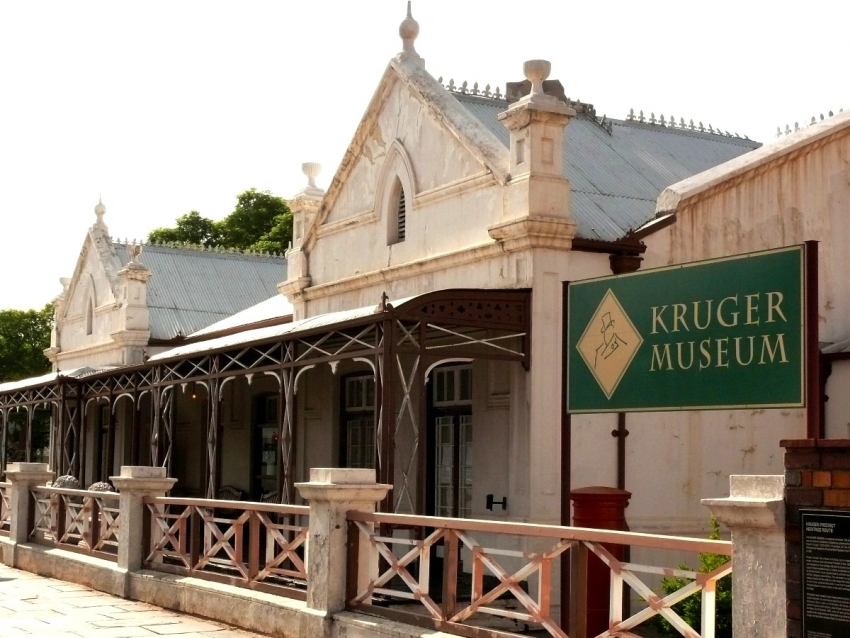
- What is the Kruger House Museum?
- The Kruger House Museum is a historical site located in Pretoria, South Africa. It was the former residence of Paul Kruger, who was the President of the South African Republic from 1883 to 1900.
- When was the Kruger House built?
- The house was built in 1884 during Paul Kruger's presidency. It served as his official residence during his time in office.
- What can visitors expect to see at the Kruger House Museum?
- Visitors can explore the well-preserved Victorian-style residence of Paul Kruger, furnished with items from the late 19th and early 20th centuries. The museum showcases various artifacts, furniture, personal belongings, and memorabilia related to Kruger's life and presidency.
- Is there an entrance fee to visit the museum?
- Yes, there is an entrance fee for visitors to the Kruger House Museum. The fee may vary for adults, children, and groups, so it's best to check the current rates before planning your visit.
- Are guided tours available?
- Yes, guided tours are available at the Kruger House Museum. Knowledgeable guides provide insights into Paul Kruger's life, the history of the house, and its significance in South African history.
- How long does it take to tour the museum?
- The duration of a visit to the Kruger House Museum can vary depending on individual preferences and interests. On average, visitors spend about 45 minutes to an hour exploring the museum and its exhibits.
- Is the museum accessible to people with disabilities?
- The Kruger House Museum is partially accessible to people with disabilities. While certain areas of the museum may pose accessibility challenges due to the historic nature of the building, efforts are made to accommodate all visitors to the best extent possible.
- Can photography be done inside the museum?
- Photography for personal use is generally permitted inside the Kruger House Museum. However, visitors are advised to respect any signage or guidelines regarding photography, especially when it involves flash or additional equipment.
- Is there a gift shop or café on-site?
- Yes, the Kruger House Museum typically has a gift shop where visitors can purchase souvenirs, books, and other items related to the museum's exhibits and South African history. However, the availability of a café may vary, so it's advisable to check beforehand.
- Are there any special events or exhibitions held at the museum?
- The Kruger House Museum occasionally hosts special events, exhibitions, and educational programs related to its historical significance and themes. Visitors are encouraged to check the museum's website or contact them directly for information about upcoming events.
Story
Special
No special features listed for this trip yet.
Testimonials
Similar Adventures

3-Day Kruger Luxury Tented Safari
3 days 2 nights
5 Days Big 5 Malaria Free
5 days 4 nights
6 Days Royal Cape Town
6 days 5 nights
Soweto City Tour
1 day